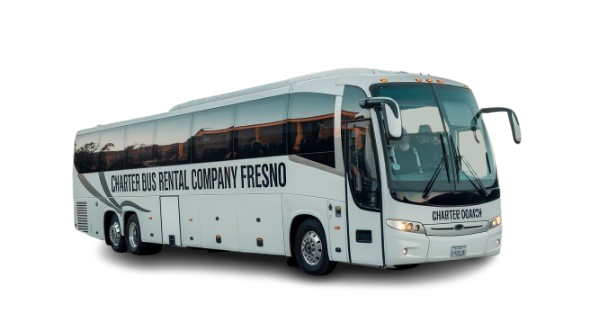
Fresno Chaffee Zoo sits inside Roeding Park, just off Highway 99 on the west side of town. For most Fresno and Clovis schools, it is one of the closest big field trips on the calendar, which is exactly why the bus part sneaks up on teachers. A class of 30 is easy. Three classes, a stack of chaperones, and a 9:00 AM gate time on a school day is a different kind of morning.
We handle group rides for schools across the Fresno area, and the zoo is one of the trips we run most in spring and fall. This guide walks through how a field trip bus rental to Chaffee Zoo actually comes together: how many buses your roster needs, where a full-size bus loads and parks, and how the day flows from the first bell to the ride home. If your date is set, you can request a free quote and we will size the trip with you.
Who books a zoo bus, and the headaches it solves
The schools that call us for the zoo are usually moving a whole grade level at once. Think two or three classes of elementary students, plus parent chaperones, plus a couple of aides. That is more people than a parent carpool can move safely, and carpools spread your group across a dozen cars that arrive at different times.
A single bus, or a small set of buses, keeps the grade together. Everyone leaves campus at the same time, rolls into the zoo lot together, and lines up at the gate as one group instead of trickling in over 40 minutes. For a teacher counting heads, that matters more than anything. You are not chasing a late carpool while 60 kids wait at the entrance.
The other pain point is parking and supervision. Roeding Park gets busy, and herding students through a parking lot full of moving cars is the part nobody enjoys. A bus drops your group at the curb, the driver handles the vehicle, and the adults stay focused on the kids. For schools without enough yellow buses in the district fleet, or with a blackout on using them for non-required trips, a rented school bus fills the gap.
There is a budget angle too. When a grade carpools, the cost lands on individual families and the supervision burden lands on whichever parents show up. A single booked bus spreads the cost evenly, often through a per-student fee that the office collects with the permission slips. It also gives the front office one clean record of who is on the trip, instead of a patchwork of which child rode in whose car. For a school worried about liability and accountability, that single passenger manifest is worth a lot.
The zoo also draws a wide age range, from preschool and kindergarten classes through upper elementary and the occasional middle school science group. The younger the grade, the more adults you need on board and the more important it is that the whole class moves as one. A booked bus is built for that. The driver holds the group at the curb until every chaperone is ready, and the class steps off together rather than dribbling out of a dozen cars over half an hour.
Loading at school and rolling into Roeding Park
Most zoo trips start right at the school. We pull up to your loading zone or front circle in the morning, load students by class, and head out together. The drive from most Fresno and Clovis campuses is short, usually 15 to 25 minutes depending on which side of town you start from. The route runs toward Belmont Avenue and the Olive Avenue side of Roeding Park, where the zoo entrance sits.
A 39-acre AZA-accredited zoo home to more than 190 species, anchored by the 13-acre African Adventure with lions, elephants, giraffes, and rhinos, plus the Sea Lion Cove and its 35-foot underwater viewing window. A close-to-home trip that fills a full school morning.
894 W Belmont Ave, Fresno, CA 93728
fcz.org
Because the zoo is inside a city park, drop-off works best at the entrance near Belmont Avenue, where the bus can pull to the curb, unload, and clear the lane. Our driver stages the bus during your visit and is back at the curb when your group is ready to leave. You set the pickup time, and we plan around the gate hours so nobody is standing around waiting.
If your school sits out in Clovis, the morning run is a few minutes longer, but the staging plan is the same. We map the loading spot at your campus ahead of time so the driver knows exactly where to be when that first bell rings.
One detail that trips up first-time organizers is the return loop. Roeding Park has limited curb space, and at busy times other groups are loading at the same hours. Because we set the pickup time when you book, the driver is already positioned when your class walks out, rather than circling for an open spot while 90 kids wait in the sun. If your plan includes a lunch break in the park before you leave, we factor that into the staging window so the bus is right where you need it when lunch wraps.
We also keep a phone line open with the lead teacher during the visit. If the morning runs ahead of schedule or a group wants to leave 20 minutes early, a quick call moves the pickup up. That flexibility is one of the quiet advantages of a single chartered bus over a fleet of family cars, where changing the plan means texting a dozen drivers and hoping they all see it.
Booking, sizing, and what a zoo trip costs
The first thing to pin down is your real headcount, including chaperones and staff. A standard school bus seats students at three per bench for younger grades, and adults usually count as two seats. Once we know the total, we can tell you whether one bus covers it or whether the grade needs a second vehicle. Booking three or four weeks out is ideal for peak field trip season in spring, since that is when every school in the Valley is moving classes at once.
Here is what we ask schools to share when they reserve a zoo trip:
- Your total headcount: students, chaperones, teachers, and aides.
- The grade level, so we plan seating two or three to a bench correctly.
- Your campus address and the best loading spot for a full-size bus.
- Your target gate time at the zoo and your bell schedule for the ride back.
- Any students who use a wheelchair or need accessible seating.
As a rough guide, a school bus for a field trip generally costs around $145 to $450 per hour, or roughly $1,520 to $3,655 for a full day, depending on the date, the size of the bus, and how long you keep it. A close trip like the zoo usually books as a half-day block. For an exact number tied to your roster and hours, call 559-336-8670, or look over our charter bus prices page.
Picking the right size bus for your roster
For a single class with a handful of chaperones, you do not need a full yellow bus. A 35-passenger minibus handles a class plus adults with room to spare, and it is easier to park near the entrance. Once you are moving two or three classes together, a traditional school bus rental is the workhorse, with the bench seating and capacity to carry a whole grade in one or two vehicles.
The choice comes down to numbers and budget. A smaller minibus costs less per trip but carries fewer students, so two minibuses can end up pricier than one large school bus for the same crowd. We help schools run the math both ways. The same sizing logic carries over to longer trips, like the ones we plan for a Yosemite school trip from Fresno or a Monterey Bay Aquarium field trip, where a coach with reclining seats fits better than a bench-seat bus. The zoo, being close and short, is the classic case for keeping it simple. This is one of the most common requests on our school field trip transportation service.
When a school bus fits and when a coach makes sense
For a trip like the zoo, the traditional yellow school bus is usually the right answer, and not only on price. It is the format students, parents, and the office all recognize, it loads quickly from a campus curb, and the bench seating packs a big grade into a single vehicle. For a short, close, in-town trip, the things a touring coach adds, like reclining seats and an onboard restroom, do not earn their cost on a 20-minute ride.
A minibus earns its place when the group is smaller, when parking is tight, or when a single class is going on its own. It is nimble in a busy park lot and comfortable for a small group, and it avoids paying for seats that ride empty. Where a full touring coach comes in is the longer hauls. When a class travels hours to the coast or the mountains, the restroom and the reclining seats stop being luxuries and become the difference between a smooth day and a rough one. For the zoo, though, that distance just is not there, so we steer most schools to the simplest, most cost-effective bus that holds the group.
If your trip combines the zoo with a second nearby stop, like a museum or a park program, tell us when you book. A bus held for the full day handles multiple stops on one reservation, which is usually cheaper and simpler than separate rides. We help you weigh the half-day versus full-day block based on how much you want to fit in.
A sample Chaffee Zoo field trip morning
Here is how a typical zoo morning looks for an elementary grade with a 9:00 AM gate time. Times shift to match your bell schedule, but the shape holds.
- 8:15 AM bus arrives at the school loading zone.
- 8:30 AM students load by class, chaperones board last, headcount confirmed.
- 8:40 AM bus departs campus toward Roeding Park.
- 9:00 AM drop-off at the Belmont Avenue entrance, group lines up at the gate.
- 9:15 AM to 12:30 PM zoo visit, with the bus staged nearby.
- 12:45 PM students reload at the curb, headcount confirmed again.
- 1:10 PM bus arrives back at campus for afternoon classes.
That window gives a class plenty of time for the African Adventure exhibit, the Sea Lion Cove, and a lunch stop in the park, and still gets everyone back before the end of the school day. Longer or shorter blocks are easy to build. We just match the bus hours to your plan.