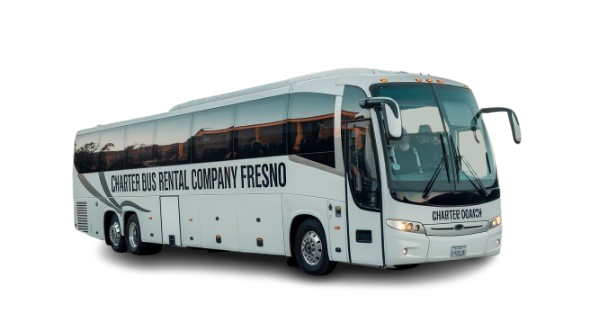
Fresno Yosemite International sits on East Clinton Way, about 10 to 15 minutes from most of the city. It is a manageable airport, but moving a group of 20 or 30 people through it still turns messy when everyone arranges their own ride. Rideshare cars trickle in one at a time, bags pile up at the curb, and the group that was supposed to leave together ends up waiting on the last two cars. A single minibus collects the whole group in one pickup.
FAT is small enough that the curb is easy to work, which is its real advantage for a group. The loading zone is a short walk from baggage claim, so once your people have their bags they are at the door of the bus in a couple of minutes. There is no shuttle to a remote lot and no long terminal march. That short curb is exactly why a single vehicle works so cleanly here, where a sprawling airport would force a longer staging plan.
We handle group airport transportation through FAT for wedding blocks, sports teams, conference attendees, and families flying in together. This guide covers how a group transfer works here: where the bus stages at the terminal, how to plan hotel and home runs, and which vehicle fits your headcount and your bags. If your flight times are set, you can request a free quote and we will build the timing around your itinerary.
When a group needs one airport vehicle
Group airport transportation is about keeping people and luggage together. When a wedding party, a team, or a corporate group flies in, splitting them across several cars means several arrival times, several fares, and bags that do not all fit. One minibus with a luggage area solves all three. The group rides together, the cost is one number, and the bags travel with their owners.
The groups that benefit most are wedding blocks meeting out-of-town family at the gate, sports teams arriving with gear, conference attendees on a shared schedule, and reunions where the whole family lands the same afternoon. A single dedicated vehicle also means a known pickup. Instead of monitoring a dozen rideshare pins, the organizer has one driver and one arrival time. That is the same reliability we build into a longer run like Bay Area airport transfers from Fresno, applied here to the FAT curb.
The pain points are easy to picture if you have ever tried to gather a group at an airport. One car shows up before the bags are off the belt, another cancels and rebooks, and a third cannot find the right pickup lane. Now the organizer is texting eight drivers and counting heads in a parking structure. With one minibus, the count is simple: everyone is either on the bus or still at the carousel. The driver waits, and the group leaves as a unit the moment the last bag is loaded.
Cost is the other quiet reason groups consolidate. Separate rideshare fares to a hotel add up fast, and they surge at the exact times flights cluster. A late-evening arrival or a holiday weekend is when individual fares spike and cars get scarce. One booked vehicle holds its price no matter what the app is doing that night. For an organizer trying to keep an event budget predictable, that fixed number is worth more than the convenience alone.
Curbside pickup and hotel runs at FAT
For arrivals, we track the flight and stage the minibus at the terminal so it is ready when the group clears baggage claim. FAT is compact, so the walk from baggage to the loading zone is short, and the driver helps load bags into the luggage area. For departures, we build in a buffer so the group reaches the terminal with time to check in together.
Flight tracking is the part that keeps an arrival calm. We watch the inbound flight from the time it pushes back at the origin, so we know hours ahead whether it is running early or sitting on a delay. The bus is staged to the real landing time, not the time printed on a confirmation weeks ago. If a flight beats its schedule by 20 minutes, the driver is already in position. If it slips, nobody is paying for a vehicle to idle at an empty curb. That tracking is the difference between a smooth pickup and a guessing game.
The curb itself rewards a little planning. FAT uses a commercial loading area, and the driver knows where a minibus is allowed to stage versus where it has to keep moving. For a group, that means the organizer texts one person, the driver, and gets a clear answer on where to walk. We tell the group the door number and the lane before they land, so nobody wanders the terminal looking for a bus. On the departure side, we hold the same lane long enough to unload bags without a rush.
The primary commercial airport for the San Joaquin Valley and the closest air gateway to Yosemite, Sequoia, and Kings Canyon, set a passenger record in 2025 with scheduled service to around 13 domestic and three international destinations.
5175 E Clinton Way, Fresno, CA 93727
flyfresno.com
Most groups pair the airport run with a hotel near the terminal. A property on East McKinley sits close to FAT and works well as the base for a group flying in for an event.
An IHG hotel near the airport with around 1,383 square feet of meeting space and a 24-hour business center, a practical base for a smaller group or a team staging close to the terminal before heading out.
5089 E McKinley Ave, Fresno, CA 93727
ihg.com
If your group is staying downtown for an event or a wedding instead, we run the transfer straight from FAT to the downtown block, met at the curb and grouped before the drive in. Some travelers cannot get the route they need out of FAT at all, and for them the trip starts with a longer drive to a bigger hub. When that happens we plan it as LAX group transportation from Fresno, but for most local arrivals FAT keeps the airport leg short.
Planning the transfer: flights, headcount, and budget
An airport transfer is built around flight times, so the schedule is only as good as the details you share. We need arrival and departure flight numbers, the number of riders, and the bag count, since luggage volume affects which vehicle we send. For arrivals, we watch the flight and adjust if it lands early or late, so the bus is there when the group is, not 40 minutes before.
Booking lead time matters more than people expect for an in-city airport run. A simple weekday transfer can sometimes come together on short notice, but a weekend in wedding season or a date during a big conference fills the calendar early. We suggest reaching out as soon as flights are booked, even if a few details are still loose. Holding the date first and refining the headcount later is far easier than hunting for an open vehicle the week before. Popular Saturdays in spring and fall are the ones that go first.
A few things drive the cost of a transfer, and knowing them helps you plan. The biggest factors are the date, the number of legs, and how long the vehicle is held. A clean round trip with a known arrival and a known departure is the most economical setup. If arrivals are spread across several flights over an afternoon, that adds wait time, and wait time is part of the rate. A one-way transfer is usually quoted by the trip, while a full day of staging and multiple runs leans toward the daily figure.
Here is what helps us plan a clean transfer:
- Arrival and departure flight numbers and times.
- The number of riders on each leg.
- The rough luggage count, including any oversized bags or gear.
- The hotel, home, or venue address for the other end.
- Whether arrivals come in on one flight or several.
- Any matched departure run you need on the way home.
- Any accessibility needs in the group.
As a rough guide, a minibus for an airport group transfer typically runs about $150 to $450 or more per hour, or $1,610 to $3,465 for a full day, depending on the date, the route, and how many legs you need. A simple round-trip transfer is usually quoted by the trip rather than the full day. For exact pricing, call 559-336-8670, or compare options on our charter bus prices page. For event groups, this can ride on the same airport shuttle service booking as the rest of the schedule.
Choosing the right minibus for your group and bags
The right vehicle depends on headcount and luggage as much as anything. For a group of 25 to 35 with checked bags, a 35-passenger minibus carries everyone in one trip with a dedicated luggage area, so nobody holds a suitcase on their lap. It is easy to load at the FAT curb and quick to turn around.
For a smaller group of 20 to 25, a 25-passenger minibus is the more economical fit and still leaves room for bags. A team arriving with bulky equipment may want the larger vehicle even at a lower headcount, just for the cargo space. We will recommend the size once we know the riders and the bag count. The goal is one trip, not a shuttle that has to come back for the overflow.
Bag math is the part groups underestimate. A passenger count tells us how many seats you need, but luggage tells us how much floor and bin space the vehicle has to carry. A group flying in for a week with full checked bags, plus carry-ons and a few car seats, fills space faster than the same headcount on a day trip. When we know the bag count up front, we can size for cargo first and seats second, so the last suitcase has somewhere to go. That is why we ask about oversized items like golf clubs, instruments, or team equipment before we confirm the vehicle.
For most FAT groups, a minibus is the right tool because it is nimble at the curb and quick to load. A full-size coach can be more vehicle than a 25-person hotel run needs, and it is harder to maneuver in a compact loading zone. We size to the actual group rather than the biggest vehicle on the lot. If your headcount sits right on the line between two sizes, we will walk you through the trade-off, since a slightly larger minibus with breathing room often rides better than a smaller one packed to the seams.
A sample arrival-day transfer timeline
Picture a 28-person group flying into FAT on an afternoon flight and heading to a hotel for an event. The timeline below shows how the pieces line up when the flight is tracked and the curb is planned ahead. Times shift with the real landing, but the shape of the run stays the same.
- 2:40 PM driver confirms the flight is on time and stages at the terminal.
- 3:00 PM flight lands, group heads to baggage claim.
- 3:25 PM driver meets the group and loads luggage.
- 3:40 PM minibus departs FAT for the hotel.
- 4:05 PM arrival at the hotel for check-in.
- 4:15 PM bags unloaded, transfer complete.
A departure-day run works in reverse, with a buffer built in so the group reaches the terminal with time to check in together. We confirm the timing the day before and track the flight on the day, so a delay does not leave anyone stranded. The result is a group that lands and leaves as one, without a parking lot or a fare meter in sight.
The same template stretches or shrinks for your group. A larger party with more bags needs a few extra minutes at the curb, so we pad the loading window. A tight connection to a downtown event might mean leaving baggage claim the moment the last bag is off the belt. We set those details with the organizer ahead of time, so the driver knows whether to wait for stragglers or roll as soon as the count is full. Every group has its own rhythm, and the plan reflects it rather than forcing a one-size schedule.