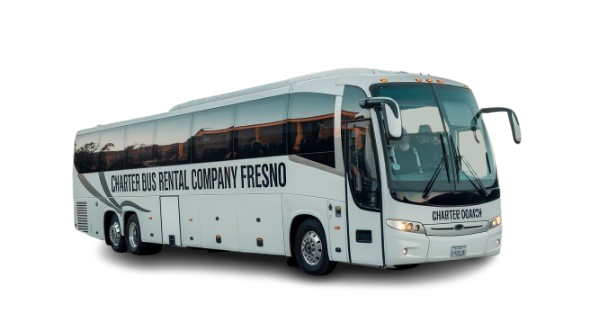
Fresno Yosemite International is convenient, but it does not fly everywhere. When a group needs a route or a fare that only the Bay Area airports offer, the trip means a three-hour drive each way to San Francisco, San Jose, or Oakland. Doing that in a caravan of cars is a long, scattered day, with everyone fighting Bay Area traffic alone and paying separately to park for a week. One charter bus turns the whole transfer into a single coordinated run.
The three airports are not interchangeable, and that is the first thing worth sorting out. Each one sits a different distance from Fresno, takes a different highway combination, and serves different routes and airlines. The airport that gives one group the cheapest fare can cost another group an extra hour of driving. Picking the right one is half the planning, and the drive time is a real part of that decision, not an afterthought.
We move groups from Fresno to all three Bay Area airports for international departures, group vacations, and corporate travel. This guide covers the three routes with verified drive times, how to time a transfer around a flight, and which coach fits your headcount and luggage. If your flights are booked, you can request a quote online and we will plan the departure window with you.
Why a group flies out of the Bay Area on one coach
The Bay Area airports open up routes and prices that a regional airport cannot match, which is why groups make the drive. But a three-hour leg changes the math on how to get there. Self-driving means paying for long-term parking on several cars, navigating unfamiliar airport approaches, and hoping everyone leaves Fresno on time. A coach replaces all of that with one departure, one driver who knows the route, and zero parking fees.
The groups that benefit most are international travelers connecting through SFO, a tour or vacation group flying out together, and corporate teams heading to a conference. A coach also makes the early start bearable. A 4:00 AM departure for a morning international flight is a lot easier when the group rides together and can rest on the way, instead of each person driving alone in the dark. When a route does run out of the local field, a short hop like group airport transportation to Fresno Yosemite International is simpler, but the Bay Area hubs are worth the longer drive when they have the flight you need.
There is a keep-the-group-together angle too, and it is bigger on a long drive than at a local curb. When a wedding party or a tour group needs to make the same flight, scattering them across private cars means one carload always runs late. A flat tire, a wrong turn near the bridges, or a missed coffee stop can put two people behind the rest. On one coach, the whole group moves on a single clock. Nobody gets separated on an unfamiliar freeway, and the head count is settled before the bus pulls out of Fresno.
Parking is the cost that surprises people most. A week of long-term parking at a major Bay Area airport adds up quickly, and that is per vehicle. A group that drives up in five cars pays that bill five times over, then still has to shuttle from the lot to the terminal with all the bags. A coach drops everyone at the departures door and goes home, so there is no parking charge growing for the length of the trip and no lot shuttle to catch on the way back.
Routing to SFO, SJC, and Oakland from Fresno
The three airports take different routes and different amounts of time, so the right departure window depends on which one you fly from. We confirm the route and build in a traffic buffer, since Bay Area congestion is the main variable on every one of these runs. The biggest hub of the three is San Francisco International, reached via Highway 99 to the Altamont corridor.
One of the busiest U.S. airports and the Bay Area’s primary international hub, about 13 miles south of downtown San Francisco in San Mateo County, the usual choice for a group with an international connection.
780 S Airport Blvd, San Francisco, CA 94128
flysfo.com
From central Fresno, SFO is about 183 miles and roughly three hours non-stop, before traffic. For South Bay flights, San Jose is often the closer and faster option, reached over Pacheco Pass to US-101.
The Silicon Valley and South Bay’s main airport, often the most convenient Bay Area option for South Bay destinations and the shortest of the three drives from Fresno.
1701 Airport Blvd, San Jose, CA 95110
flysanjose.com
San Jose is about 155 miles from Fresno, roughly two hours and 45 minutes via Highway 152 and the Pacheco Pass, which makes it the quickest leg. The East Bay option is Oakland, reached via Highway 152 or Highway 99 to Interstate 580.
The East Bay’s primary airport, which the Port of Oakland’s board renamed in 2025 while keeping the OAK code, a practical choice for East Bay routes and often lighter terminal traffic than SFO.
1 Airport Dr, Oakland, CA 94621
iflyoak.com
Oakland is about 168 to 175 miles from Fresno, roughly three hours depending on the route and the bridge traffic. We pick the departure time off your flight and the worst-case traffic for that day and hour.
Traffic is the one variable none of these routes escape. The Altamont corridor toward SFO and Oakland stacks up at commute hours, and Pacheco Pass toward San Jose can crawl behind slow trucks on the grade. A drive that runs three hours at 5:00 AM can take four in the thick of a weekday rush. We plan around the worst-case window rather than the best, because an airport run has no room to gamble. If the math is close, we leave earlier and let the group relax at the terminal instead of sweating the clock on the freeway.
We build one rest stop into the longer runs, usually somewhere along Highway 152 or the I-580 corridor, so people can stretch and use a restroom without throwing off the schedule. On a coach with an onboard restroom that stop is optional, but most groups appreciate a five-minute break to grab coffee on a pre-dawn departure. The driver knows the reliable stops on each route, the ones with easy bus parking and quick in-and-out, so the pause stays short and the buffer stays intact.
Planning the transfer: flights, timing, and budget
A Bay Area transfer succeeds or fails on the departure buffer. For an international flight, airlines want passengers checked in well ahead, so we count back from your check-in time, add the drive, and add a traffic cushion. That usually means an early Fresno departure, and we would rather leave 30 minutes early than gamble on the Altamont at rush hour.
International check-in windows are wider than domestic ones, and that shapes the whole plan. Many international carriers want passengers at the counter two to three hours before departure, sometimes more for a large group checking a lot of bags. We count back from that window, not from the takeoff time, so the group is at the airport with room to clear the line together. A domestic flight gives a little more slack, but for a Bay Area run the drive eats most of the margin anyway, so we plan conservatively either way.
Booking ahead matters on these routes. A coach that can hold a group of 40 to 56 with full international luggage is a specific vehicle, and the popular departure dates fill early, especially around holidays and summer travel. Reaching out as soon as the flights are booked lets us hold the date while the headcount firms up. Round trip versus one way also affects the plan. A matched return pickup, where we meet the inbound flight and drive the group home, is usually priced together with the outbound leg so the two halves line up cleanly.
Here is what we need to build the schedule:
- Your airport, airline, and departure time.
- Whether the flight is domestic or international, since check-in windows differ.
- The number of riders and the pickup point in Fresno.
- The luggage count, including any oversized or international bags.
- Any return pickup you need when you fly home.
- Any accessibility needs in the group.
For reference, a 50 to 56 passenger charter bus generally costs around $180 to $500 or more per hour, or $1,800 to $3,800 for a full day, depending on the date, the airport, and traffic. A one-way Bay Area transfer is usually quoted by the trip, and a matched return pickup is priced together. For exact pricing, call 559-336-8670, or see our charter bus prices page. This can also be the airport leg of a larger booking on our airport shuttle service.
Choosing the coach for a long airport run with luggage
For a three-hour drive with a full group and a stack of checked bags, a full-size coach is the right call. A 56-passenger charter bus carries a large group in one trip, with under-floor luggage bays that swallow international-sized bags and a restroom for the long leg. Reclining seats and climate control matter on a pre-dawn run, when people want to rest before a flight.
For a smaller group of 20 to 30, a minibus is more economical and still handles the highway miles, though luggage space is tighter for international travel. A group flying out with surfboards, ski gear, or display equipment may want the larger coach just for the cargo bays. The same sizing trade-off comes up when we plan a LAX group transportation run, where the distance rewards comfort. We will recommend the fit once we know the riders and the bags.
Luggage is the detail that tips the vehicle choice on a Bay Area run. International travelers check heavier bags, often two per person, and those go in the under-floor bays rather than on a rack overhead. A full coach has the bay volume for that. A minibus can carry a domestic group with carry-ons and a modest checked bag each, but a group flying overseas for two weeks will overwhelm it. We would rather size up for the cargo than watch bags ride on empty seats, so we ask for a realistic bag count before we confirm.
Comfort earns its keep on a three-hour pre-flight drive in a way it never does on a short hop. Reclining seats, climate control, and a restroom turn dead highway time into rest, which is the whole point of not driving yourself. A group that arrives relaxed handles a long-haul flight far better than one that just white-knuckled the Altamont. For a corporate team, that can mean walking into a meeting on the other end without the drive showing on their faces. The vehicle is part of the trip, not just a way to reach the gate.
A sample SFO departure-day timeline
Picture a 40-person group with a mid-morning international flight out of SFO. The timeline below shows how the early start, the drive, and the check-in window fit together. The clock runs backward from the airline counter, not from takeoff.
- 4:00 AM coach loads luggage and boards in Fresno.
- 4:15 AM departure north on Highway 99.
- 5:45 AM brief rest stop along the route.
- 7:30 AM arrival at the SFO departures level.
- 7:45 AM group unloaded with bags, well ahead of check-in.
- 10:30 AM flight departs with the buffer intact.
An SJC run can start later given the shorter drive, and an Oakland run sits in between. For the return, we track the inbound flight and stage the coach so the group is met when they land. We confirm the plan the day before and adjust for the day’s traffic forecast. The result is a calm, on-time start to a trip that would otherwise begin with a stressful solo drive.
The numbers shift with the airport and the season. A summer Friday departure for SFO might push the start even earlier, since the Altamont and the bridges load up. An SJC run on a quiet weekday morning gives back almost an hour. We rebuild the timeline for your exact date and flight rather than handing you a generic one, and we share it ahead so the group knows when to be ready. Once it is set, the only job left for the travelers is to show up with their bags and rest on the way.